
• Skip to main content
  • Skip to navigation
  • Accessibility
  • Contact Us
Government of Western Australia Crest
Government of Western Australia
Government of Western Australia Crest

Additional Menu

  • Accessibility
  • Contact us
Go to WA Government search
  • Patients and Visitors
    • Visiting us
      • Your clinic appointment
      • Coming to hospital
      • Going home
    • Coming to Emergency
    • Aishwarya’s CARE Call
    • Translated resources
      • Arabic patient resources
      • Chinese patient resources
      • Farsi / Persian patient resources
      • Hindi patient resources
      • Vietnamese patient resources
    • Supporting carers and people with a disability
    • Aboriginal services
    • Allied Health Services
    • Family Assistance
      • Social work
      • Interpreters and Language Services
      • Pastoral care, spiritual care and chaplain
      • Agnes Walsh House accommodation
      • Family Domestic Violence
    • Private Patients
    • Overseas patient fees
    • Creche
    • Patient fact sheets
    • WNHS Consumer Library
    • Our Healthcare Standards
    • Freedom of Information
  • Pregnancy and Birth
    • Planning a pregnancy
    • Pregnancy choices (including abortion)
      • Support and counselling
      • Considering an abortion
      • Complications during pregnancy
    • During your pregnancy
      • Emergency Care
      • Pregnancy Care Options
      • Specialty Clinics
      • Parent Education
      • Looking after yourself
      • Mental health services
      • Physiotherapy
    • Giving birth
    • After your pregnancy
      • Breastfeeding
      • Going home
      • Visiting Midwifery Service
      • Pharmacy
      • Physiotherapy
      • Mental health services
      • Neonatal Intensive Care
    • Pregnancy loss
      • Pastoral Care Services
      • Perinatal Loss Service
  • Women's Health
    • Cancer Services
      • Cancer Services at WNHS
      • Menopause symptoms after cancer
      • Cancer Screening
    • Gynaecology and inpatients
      • Preparing for a Gynae appointment
      • Gynaecology Clinics at WNHS
      • Pelvic mesh (transvaginal mesh) telephone line
      • Pharmacy
    • Cervical Screening
    • Allied Health Services
    • Menopause Services
    • Mental health services
      • Childbirth and Mental Illness Service
      • Mother baby unit
      • New Beginnings
      • Mental health service
    • Physiotherapy
      • Bladder / bowel concerns
      • Gynaecological cancer
      • Pregnant / had a baby
      • Lymphoedema
      • Mesh complications
      • Operation
      • Pelvic pain
      • For health professionals
    • Social work
    • Family and domestic violence
    • Family planning and contraception
  • Other Health Services
    • Genetic Services
    • Pathology
    • Sexual Assault Resource Centre
      • For Professionals
      • Counselling services at SARC
      • Crisis services at SARC
      • Frequently asked questions
      • Information and resources
      • Sexual assault, rape, consent and the law
      • What happens when you call or visit SARC
    • Ultrasound and Imaging
    • WA Register of Developmental Anomalies
  • For Health Professionals
    • Statewide Perinatal and Infant Mental Health Program
      • Consumer resources
    • Clinical Guidelines
      • Community Midwifery Program
      • Disclaimer
      • Neonatal Medication Protocols
      • Obstetrics and Gynaecology Guidelines
      • Obstetrics and Gynaecology Medication Guidelines
    • Referring patients
      • Abortion Care Service
      • Antenatal Referrals
      • Cancer referrals
      • Emergency Centre WNHS at KEMH
      • Genetics referrals
      • Gynaecology referrals
      • Patient Blood Management and Haematology Service
      • Obstetrics referrals
      • Physiotherapy referrals
      • Pregnancy care options
      • Mental Health referrals
    • Gynaecology Clinics
    • WNHS Education
      • Mandatory training
      • eLearning
      • Department of Nursing and Midwifery Education and Research
      • Women’s Health Strategy and Programs education and training
      • SARC Education and training
      • SPIMHP Education and training
    • GP antenatal shared care
    • FDV
      • Gender-based violence and FGM/C
      • Training
      • Guidance material and resources for clinicians
    • Research
    • SARC
      • Professionals seeing sexual assault patients
      • WA Mining Industry
      • Medical education and training
      • Non-medical education and training
      • Research study
      • Working at SARC
      • Information and Resources
    • Cancer Services / Screening
      • WA Gynaecologic Cancer Service (WAGCS)
      • WA Trophoblastic Centre
      • Cervical Screening
      • BreastScreen WA
    • GP Liaison
    • WARDA
    • Staff exposures and absences form
    • Specialist Antenatal Clinics
  • Work with us
    • Employee benefits
    • About us
    • Staff stories
    • International and interstate recruitment
    • Nursing and Midwifery
    • Medical
    • Graduates
    • Volunteer with us or donate
    • Fellowships and student placements
  • About us
    • Latest news
    • Contact us
    • Feedback, compliments and complaints
      • Patient reviews via Care Opinion
    • Volunteer and donations
    • Women and Babies Hospital Project
    • Community Advisory Council
    • KEMH history and Alumni
      • Memories of King Eddies
      • KEMH Staff and Community Story Quilt
    • Past adoption practices
    • Vision, Mission and Values
    • Executive Committee
  1. Home
  2. News
  3. 2026
  4. 10
  5. 07
  6. WA leads the way in supporting happy healthy families

WA leads the way in supporting happy healthy families
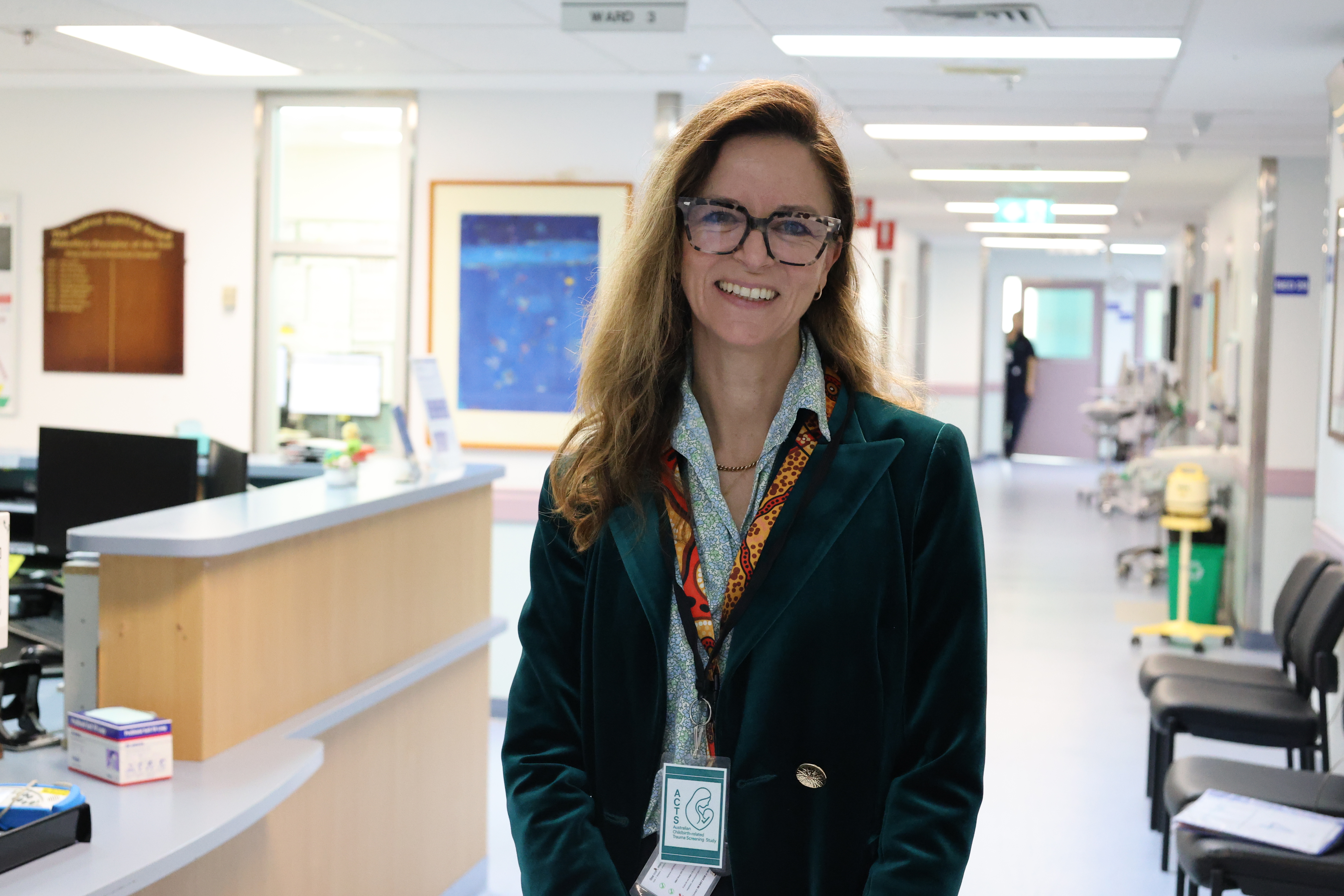
WA leads the way in supporting happy healthy families

Kelli MacMillan leads an Australian-first research study investigating how to identify women who experience childbirth trauma at King Edward Memorial Hospital.
08/10/2026

An Australian-first research study investigating how to identify women who experience childbirth trauma has commenced at King Edward Memorial Hospital (KEMH), to support enhanced outcomes for mothers and newborns.


Over the next three years, all women who birth at KEMH will be invited to participate in the Australian Childbirth-related Trauma Screening Study (ACTS), with the aim to identify valid and reliable screening of childbirth trauma that is capable of integration into routine maternity care.


KEMH will provide new mums the opportunity to be screened at their routine follow up appointment, either in the hospital or at the patient’s home.


KEMH Clinical Psychologist and Senior Lecturer in the School of Psychology at Murdoch University, Kelli MacMillan, who leads the research project, said the earlier women experiencing childbirth-related trauma are identified, the earlier they can be assessed for specialised treatment.


“We know childbirth trauma can have lasting impacts on mothers, babies, and families," she said.


"This study is an important step towards ensuring women can access timely care when they need it most. “Our goal is to make trauma screening a routine part of maternity care, so that support can be provided early and outcomes improved for families across Australia.”


While not all traumatic births result in post-traumatic stress disorder (PTSD) it is recognised that traumatic birth experience can still impact mental health, and potentially subsequent pregnancies. Risk factors for birth trauma also include a mother’s own childhood trauma, and women who experience birth trauma are more likely to have a newborn in a neonatal intensive care unit post birth.


This WA research project is led by Murdoch University at KEMH, with funding provided by the Women and Infants Research Foundation and support from The University of Western Australia, Curtin University and the Statewide Perinatal and Infant Mental Health program.


The ACTS study is the fourth stage of a research program that found prior pregnancy loss was a defining clinical characteristic of women at risk of experiencing a traumatic birth. Initial research found that despite effective antenatal and postpartum treatments existing, women who need treatment for childbirth trauma are not consistently identified, leading to ACTS.

Previous Next
Last Updated: 08/10/2026
  • Facebook
  • Instagram
  • LinkedIn
  • YouTube

Footer menu

  • wa.gov.au
  • Copyright
  • Disclaimer
  • Privacy
  • Sitemap
  • Contact Us

Brought to you by the Department of Health, Western Australia

© Government of Western Australia 2018 to